
THE CURRICULUM
Curriculum Intent
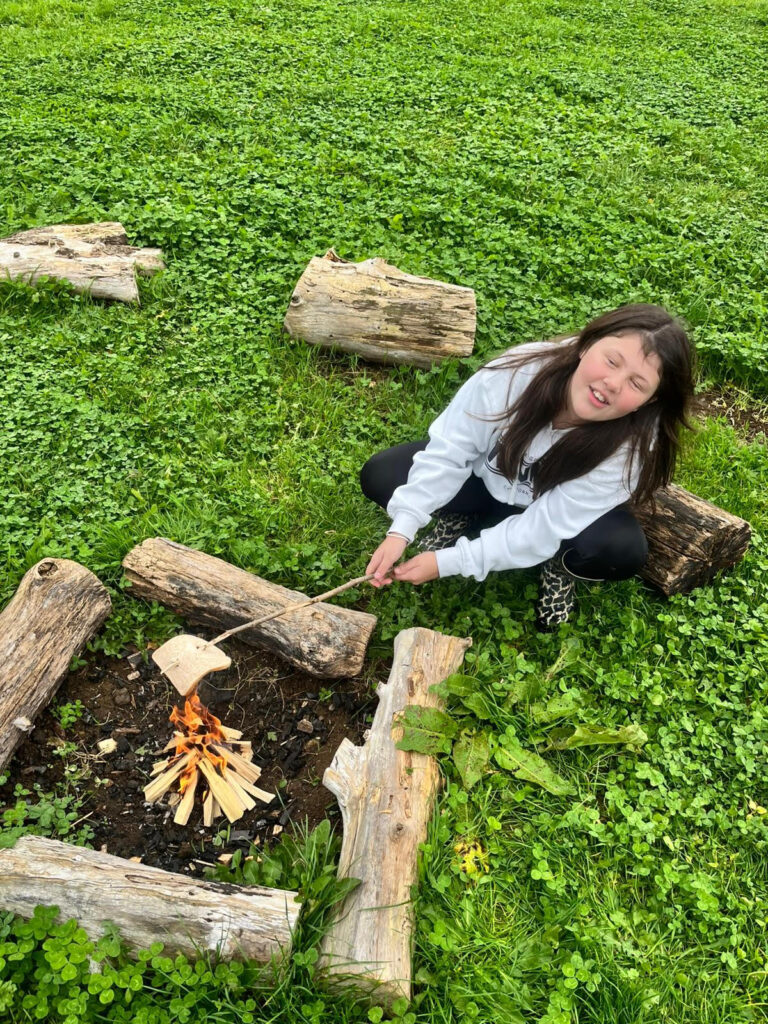
Our curriculum provides a practical, supportive and hands-on learning experience tailored to each learner’s needs, abilities and interests. It is built on trust, strong relationships and emotional regulation. Our natural environment, including animals and outdoor spaces, is central to how learners engage, feel safe and develop confidence.
Curriculum Implementation
Provision begins with relationship-building, emotional regulation and support for the impact of school-related trauma. This foundation helps learners feel safe, valued and ready to engage with learning.
As learners develop confidence and resilience, we introduce carefully chosen targets. Each learner’s voice, together with input from parents and carers, is central to this process. We follow the assess, plan, do, review cycle, ensuring that targets are linked to the learner’s EHCP while also reflecting any wider areas of need. The NEN Progression Framework supports consistent and meaningful target setting.
Inclusive practice is central to our approach. Whether learners are working individually or in small groups, support and assessment are adapted to their needs. This enables each learner to work at an appropriate pace while making progress towards their goals.
Curriculum Impact
By combining therapeutic support, creative engagement and academic development, Move the Mind Learning offers a holistic model of education. Learners are supported to make measurable progress while developing curiosity, self-belief and motivation that can help them thrive beyond our provision.
Learning Framework
| Primary | Age approximately 11+ | Age approximately 14+ |
| For primary-aged learners, building trust and positive relationships comes before formal learning. We meet each child where they are, adapting our teaching style to their needs and the natural ups and downs of their day. This may include: English and MathsForest SchoolCross-curricular projectsCrest AwardsSupport with emotional regulation and transitionsTherapeutic work with horses and other animals | From around secondary school age, learners continue to build on the opportunities offered at primary level, with ASDAN Life Skills Challenges introduced as part of their personalised programme. These challenges are flexible and practical, helping learners develop confidence, independence and skills they can use in everyday life. A few examples of Life Skills Challenges include: Developing listening and social communication skills with peersLearning about careers using Bloxburg on RobloxCompleting challenges linked to animal and horse care | From approximately age 14, learners can continue to access the opportunities listed in earlier stages, alongside additional accredited pathways where appropriate. This may include: City & Guilds qualifications in Horse CareCity & Guilds Functional Skills courses in English and MathsPartnership opportunities delivered through Haddon TrainingPreparation for future apprenticeships in equine, animal care and business |
The Movement Method
At Move the Mind, we use The Movement Method as part of our teaching and support. This gentle, movement-based approach is designed to help children and young people feel calmer, more connected and open to learn. It is informed by neuroscience and has been developed with neurodiverse children in mind.
- helps children feel calmer and more settled
- supports focus, connection and readiness to learn
- offers a nurturing approach for neurodiverse children and young people
The Movement Method is a horse-free extension of The Horse Boy approach, developed by autism advocate Rupert Isaacson. In our sessions, we use it in a practical and nurturing way to support each child’s individual needs.
Therapeutic Yoga
Our SENCO is a therapeutic yoga teacher. Where appropriate, sessions can include gentle yoga, simple movement and calming breathwork to help children regulate their nervous system, build body awareness and develop strategies they can use in everyday life.
- gentle movement to support confidence and body awareness
- calming breathwork to help with emotional regulation
- simple strategies children can use beyond the session